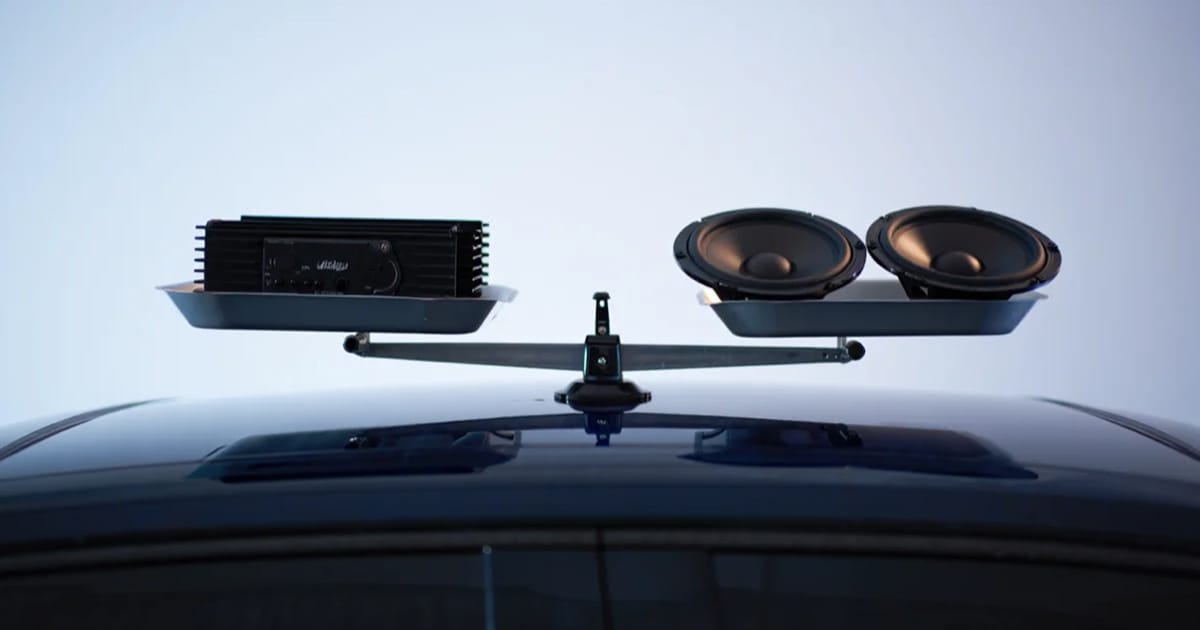
One of the most common questions among car audio enthusiasts is, “How much amplifier power do I really need?” It’s a fair concern. Many assume that more watts automatically equal better sound, or that a bigger amp will solve all their audio problems. While power is an important factor in overall system performance, it’s not the only one and it’s certainly not the most misunderstood.
Let’s break down what amplifier power really means, how it relates to your speakers, and how to make smart decisions when designing a car audio system.
RMS vs. Peak Power: What Really Matters
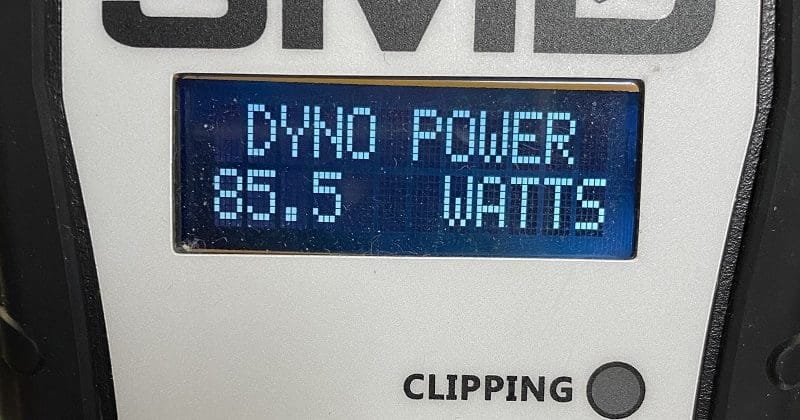
The AMM-1 meter shows the amp produces 85.5 watts of power into our resistive 4-ohm load.
The power rating on an amplifier or speaker can be confusing, especially when manufacturers promote flashy “max power” numbers. The key rating you should be looking at is RMS (Root Mean Square). This is the amount of power the amplifier can deliver, or the speaker can handle, continuously and reliably.
In contrast, peak power is a theoretical maximum that can only be sustained for a short burst. It might look good on a box, but it doesn’t reflect real-world performance.
Also keep in mind the logarithmic nature of sound. Doubling your amplifier’s power only results in a 3 dB increase in output, not a doubling of volume. This is why chasing ever-higher power numbers doesn’t always lead to a better listening experience.
Speaker Sensitivity and Efficiency
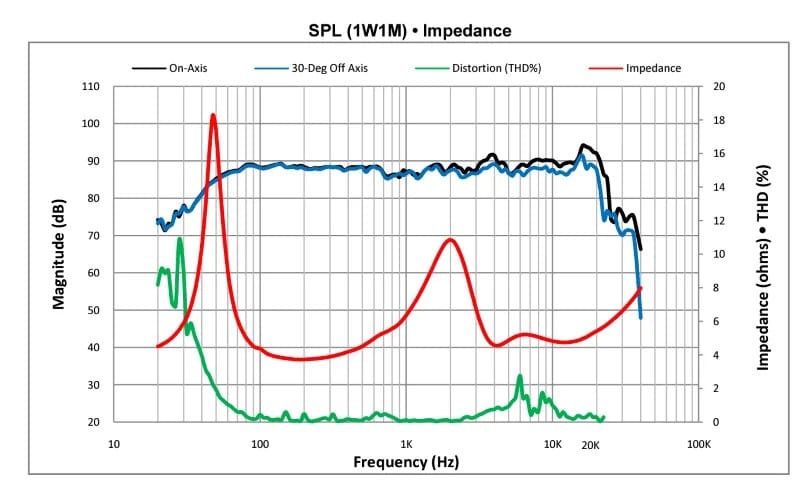
A frequency response sweep of the Rockford Fosgate T3652-S speaker system.
Another often-overlooked factor is your speaker’s sensitivity rating. This measurement tells you how much sound a speaker produces from a given amount of power. For every 3 dB drop in sensitivity, you need twice the power to reach the same volume level.
For example:
- A speaker rated at 90 dB will play noticeably louder than one rated at 85 dB when given the same wattage.
- Choosing more efficient speakers can reduce the need for large amplifiers, especially in daily-driver systems.
Matching speaker efficiency with amplifier output is a smart way to build a system that sounds great without stressing your electrical system.
Power Recommendations by System Type
How much power you need ultimately depends on the type of system you’re building and how you plan to use it. Here are some general guidelines:
Basic Factory Speaker Upgrade:
- 25 to 50 watts RMS per channel
- Ideal for replacing stock speakers with efficient aftermarket coaxials
- Delivers improved clarity and detail without complex wiring
Aftermarket Component or Coaxial System:
- 50 to 100 watts RMS per channel
- Supports higher-quality speaker sets with better midrange and tweeter separation
- Great for entry-level sound quality upgrades
High-End Sound Quality or SPL System:
- 100 to 300 watts RMS per channel for mids and highs
- 500 to 1,000+ watts RMS for subwoofers
- Requires strong electrical support, advanced tuning, and often a DSP
These ranges are not absolute but offer a useful starting point for selecting amplifiers that suit your goals and budget.
Installation and Environmental Factors
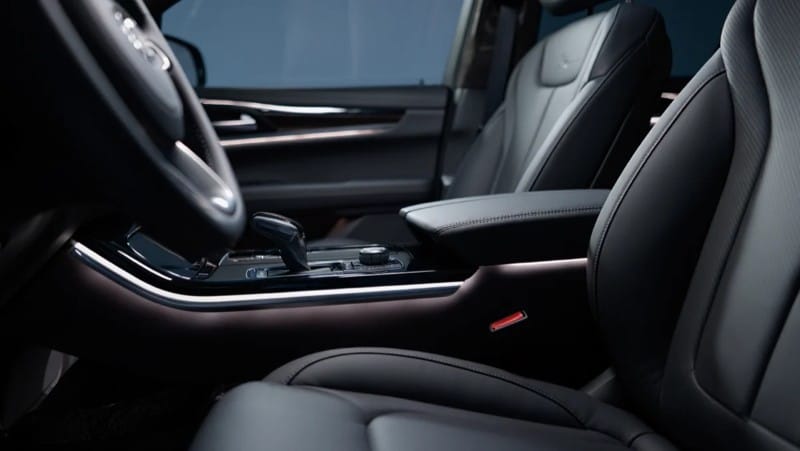
A quiet, refined cabin sets the foundation for better car audio performance.
Even the best gear won’t perform at its peak without proper setup. Amplifier power is only as effective as your system design allows. For example, installing a digital signal processor (DSP) lets you manage crossover points, time alignment, and equalization, which improves how efficiently power is used.
Don’t forget the role of your vehicle’s acoustics. Every car has different noise characteristics and speaker placement limitations. Sound deadening can reduce road noise and make your system more efficient, helping your amplifier deliver cleaner output at lower volumes.
Common Power-Related Mistakes to Avoid
Whether you’re a beginner or a seasoned installer, here are a few missteps to steer clear of:
- Trusting peak power ratings: These numbers are misleading and can result in mismatched components.
- Underpowering speakers: This leads to distortion and clipping, which can damage your gear.
- Ignoring gain structure: Even with ample power, improper gain settings can destroy speakers or produce poor sound quality.
- Overlooking electrical limitations: High-power amps draw a lot of current. Make sure your battery and alternator can support the load.
A little planning up front goes a long way in protecting your investment and getting the best sound possible.
Real-World System Examples
To help illustrate how these ideas apply, here are three sample systems with different goals:
Entry-Level Upgrade
A simple system with factory speaker replacements and a small four-channel amp delivering 45 watts RMS per channel. This setup provides a noticeable boost in clarity and output without overcomplicating the install.
Sound Quality Build
A system using high-end component speakers up front, powered by a two-channel amplifier delivering 150 watts RMS per side. The subwoofer runs on a dedicated amp at 600 watts RMS. With DSP tuning and sound deadening, this configuration offers excellent imaging, tonal balance, and headroom.
Budget Performance System
An affordable build using coaxials with 91 dB sensitivity, paired with a 75-watt RMS amplifier. It’s efficient, easy on the electrical system, and capable of delivering surprisingly full sound for the money.
Conclusion: Smart Power Is Better Than More Power
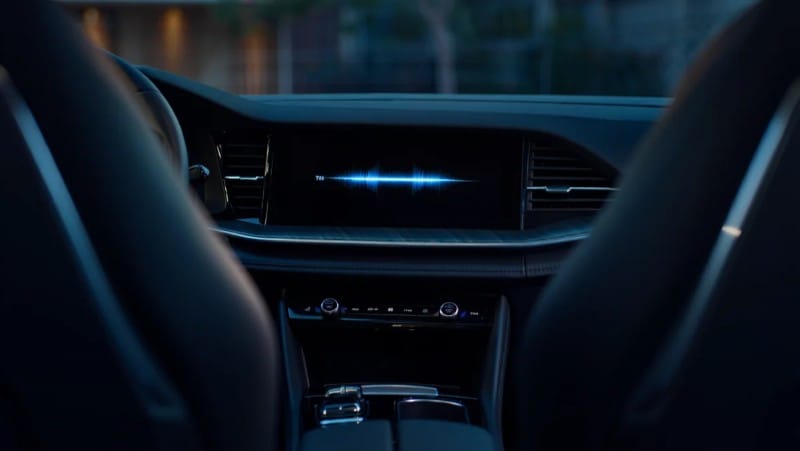
Precision tuning and balanced power deliver a smarter path to better sound.
The best car audio systems aren’t just about raw wattage. They’re about efficiency, control, and thoughtful design. Choosing the right amount of power for your needs, matched to your speakers and supported by proper tuning, will always yield better results than simply chasing numbers.
If you want to get the most out of your next upgrade, focus on the fundamentals. Look at real-world RMS ratings, pay attention to sensitivity specs, and make sure your system is tuned correctly. Whether you’re building a subtle daily driver or a serious competition setup, understanding power the right way is the first step to better sound.
Need help choosing the right amp for your system? Visit your local car audio retailer for expert advice, personalized recommendations, and professional installation to ensure your system performs at its best.
This article is written and produced by the team at www.BestCarAudio.com. Reproduction or use of any kind is prohibited without the express written permission of 1sixty8 media.

Leave a Reply